
Research Themes
Individual Variation
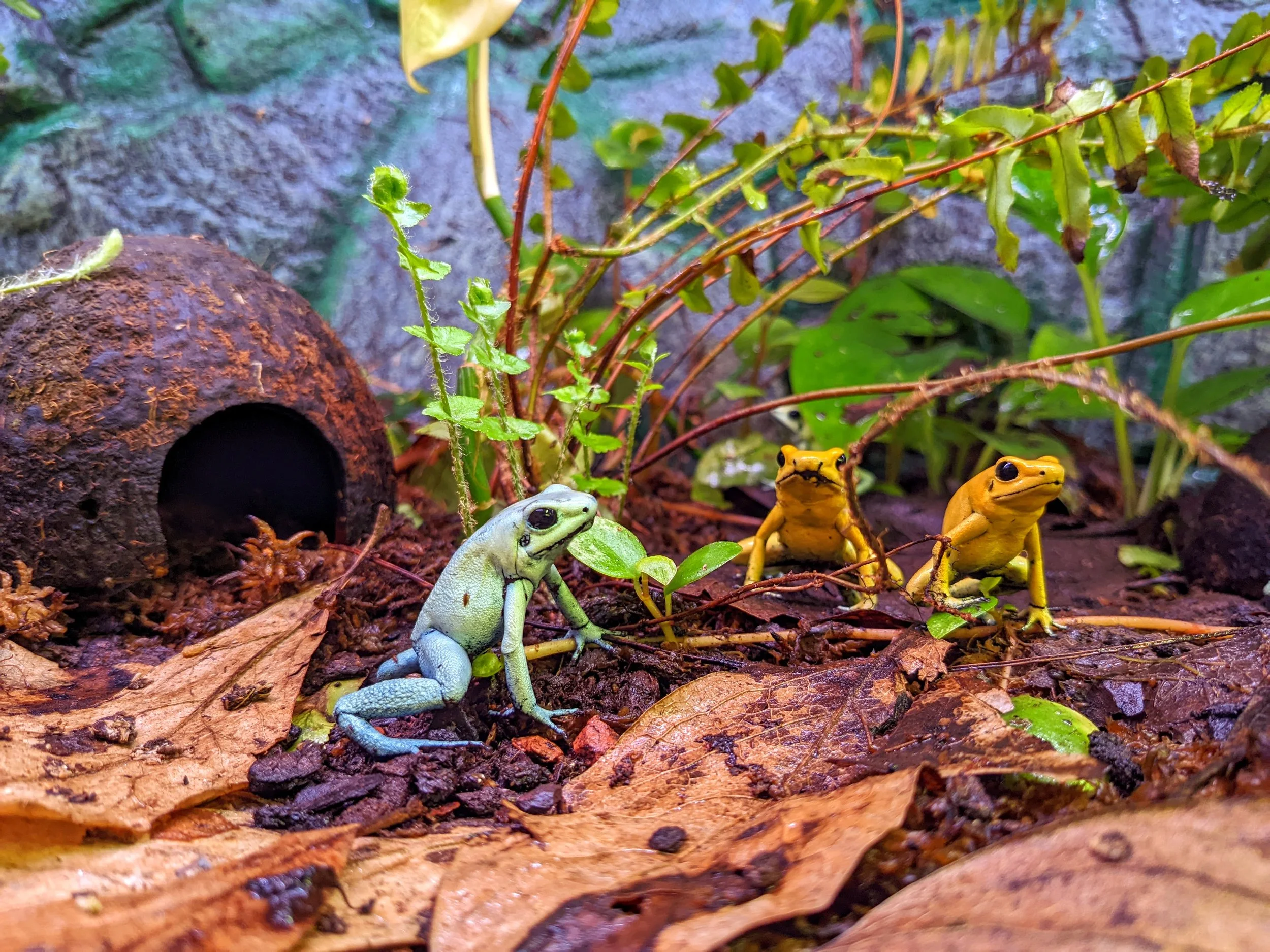
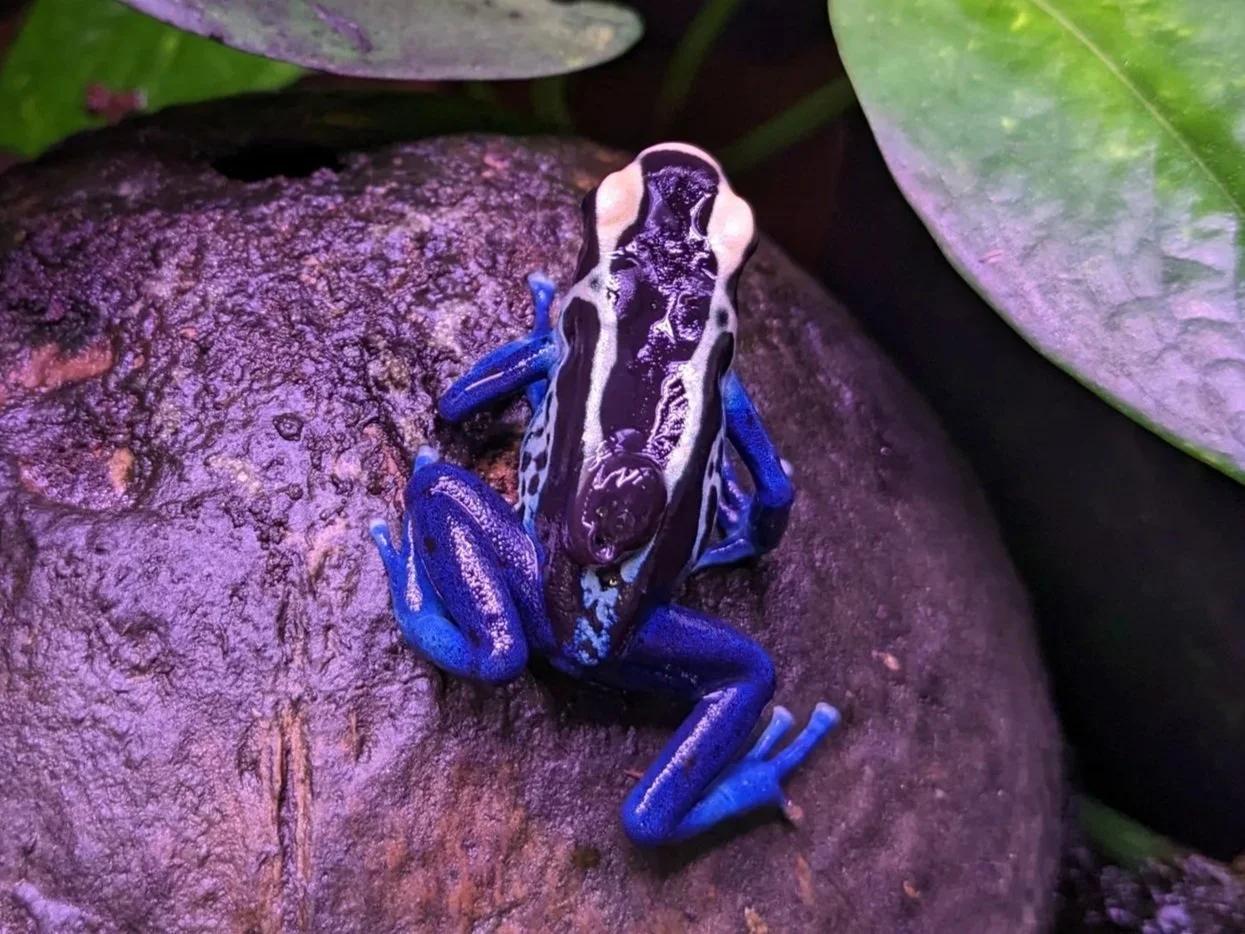
As evolutionary biologists and neuroethologists endeavor to explain behavioral variation, it is critical for us to look harder at the individual level. Understanding mechanisms of variation both within and among individuals shapes our understanding of how evolution has produced variation across species, while investigating mechanisms with an ecological lens provides context in our interpretation of the function of behavior. By investigating neuroscience of non-traditional systems, our research provides insight into how complex environments shape individual variation and sex differences.
Sex Differences
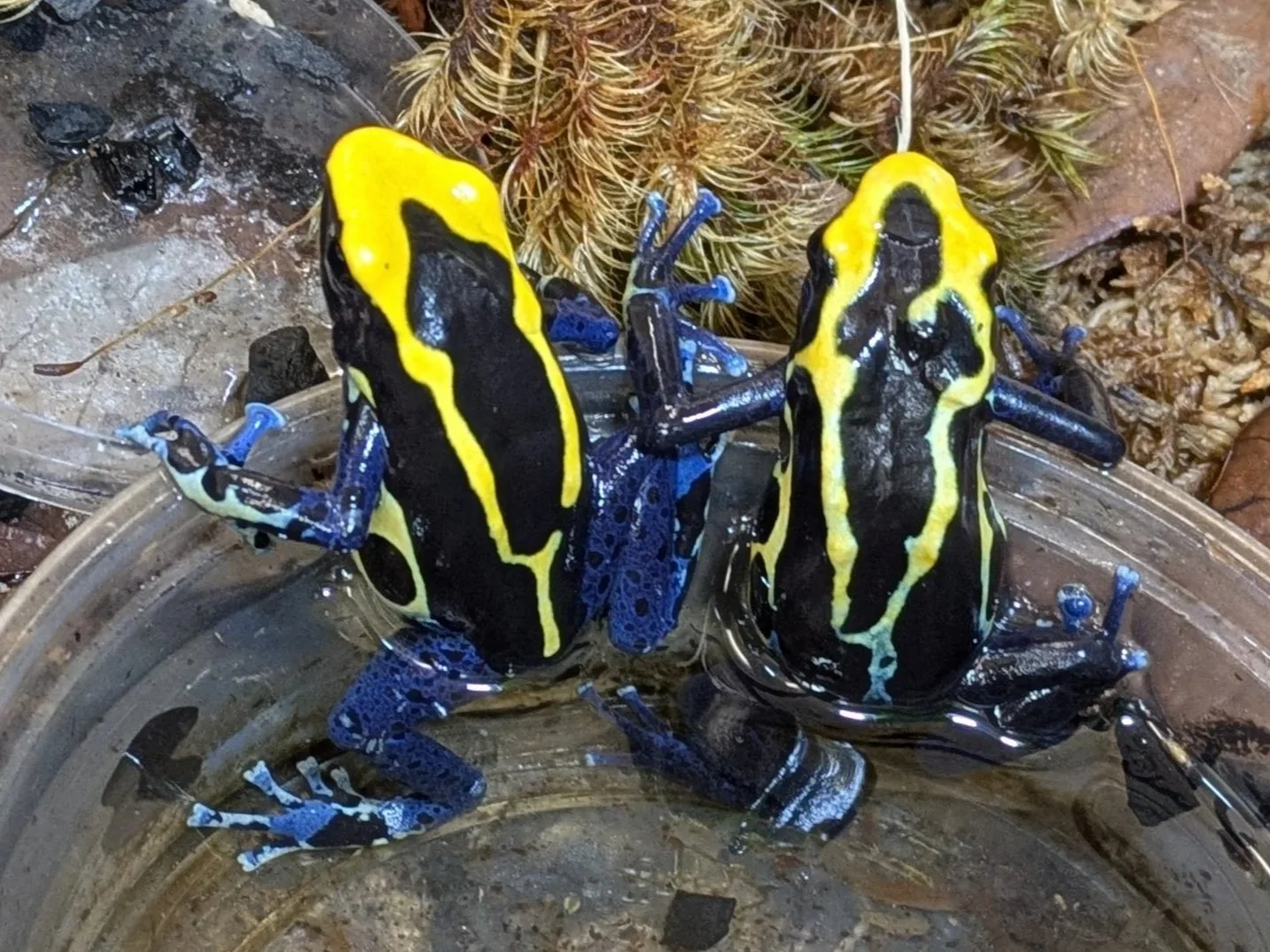
Sex differences are central to understanding sexual selection and how reproductive pressures shape traits across species. Through studying sex differences we can improve our understanding of why males and females exhibit different physiologies, behaviors, and vulnerabilities to disease. Sex-specific traits are not always fixed properties, but also adaptive, plastic responses shaped by historical and current environmental pressures. We study the neuroendocrine system which acts as a mediator translating evolutionary and ecological pressures into sex-specific physiology and behavior.
Developmental Plasticity
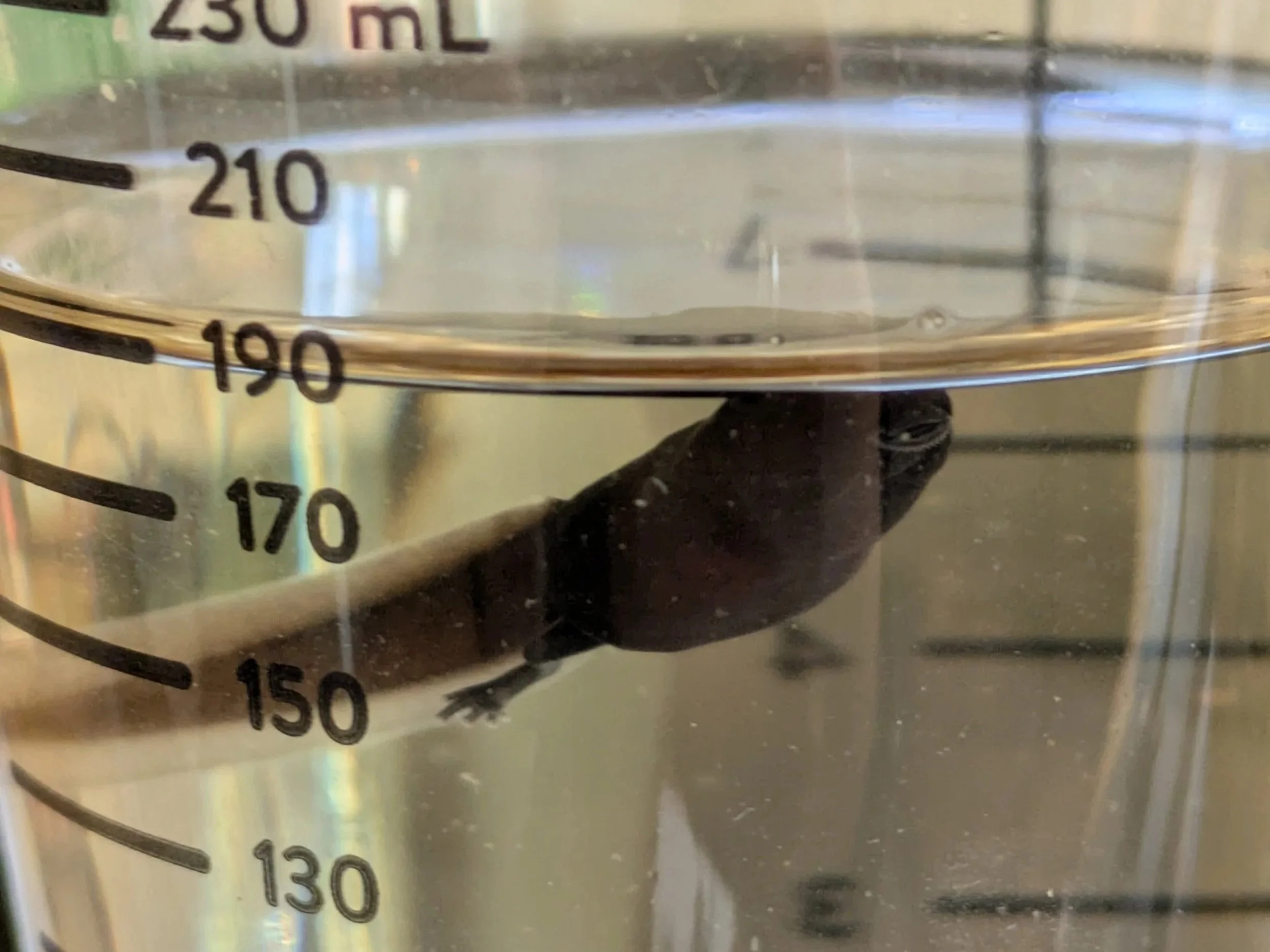
The early life environment, often shaped by parents, has long-lasting effects on offspring behavior, physiology, and overall fitness through developmental plasticity. Plasticity allows organisms to produce phenotypes adjusted to the conditions they will experience as adults which can improve survival in unstable environments. Developmental plasticity can also promote the origin of novel traits by accelerating a species' ability to adapt to new environments. This is particularly important in a rapidly changing climate.